 |


| Quantity: | |
|---|---|
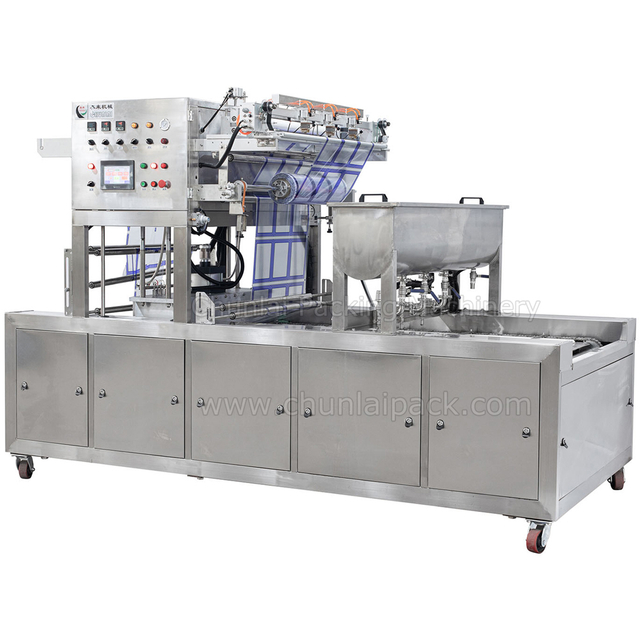
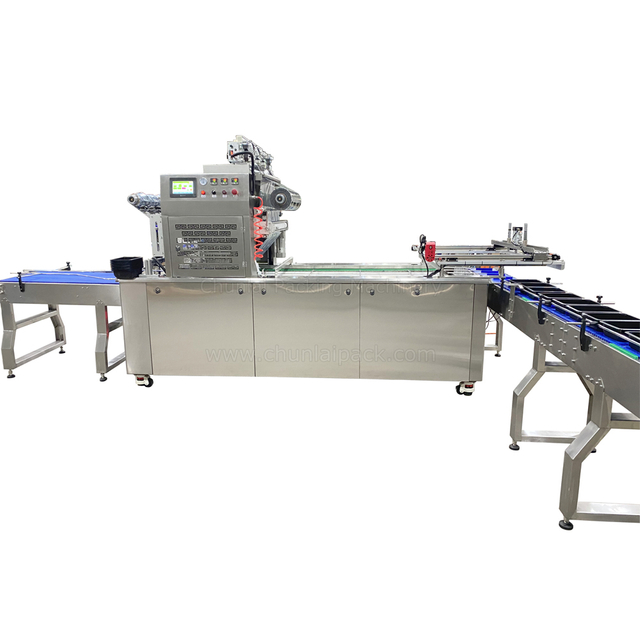
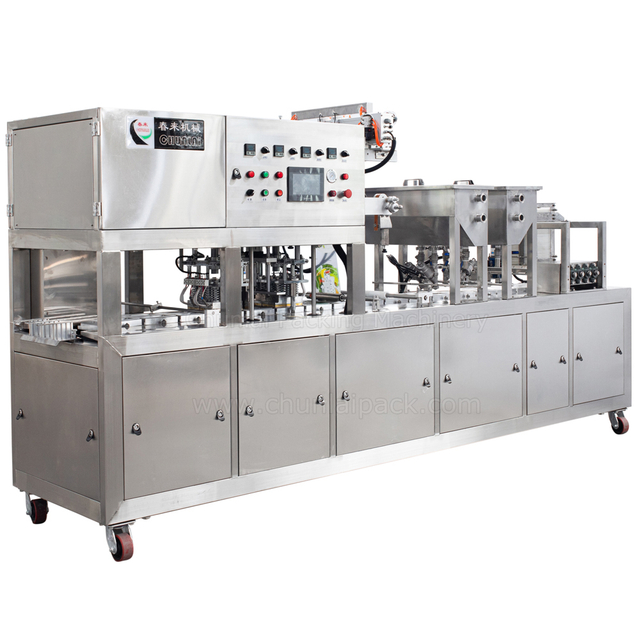
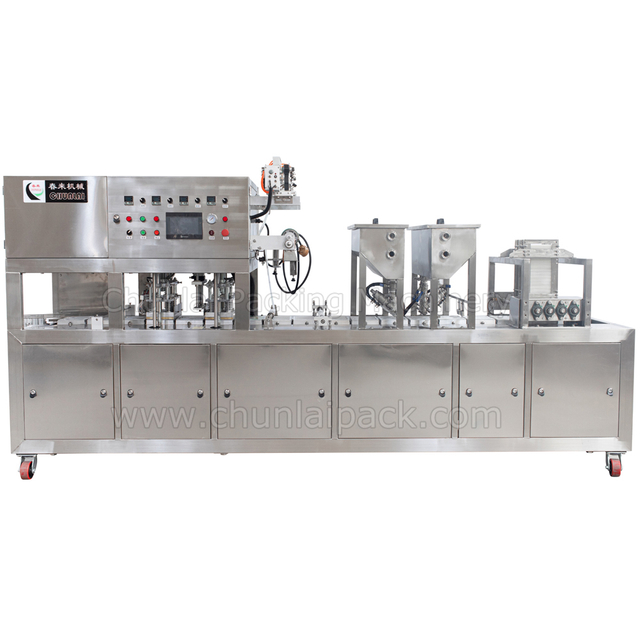
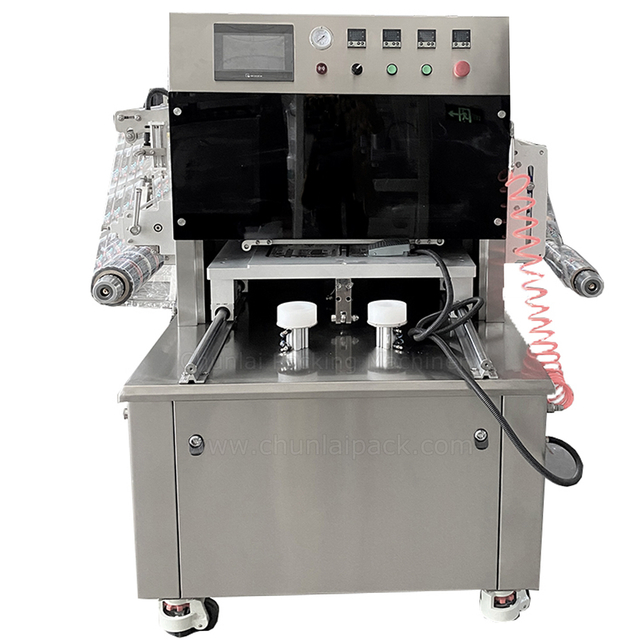
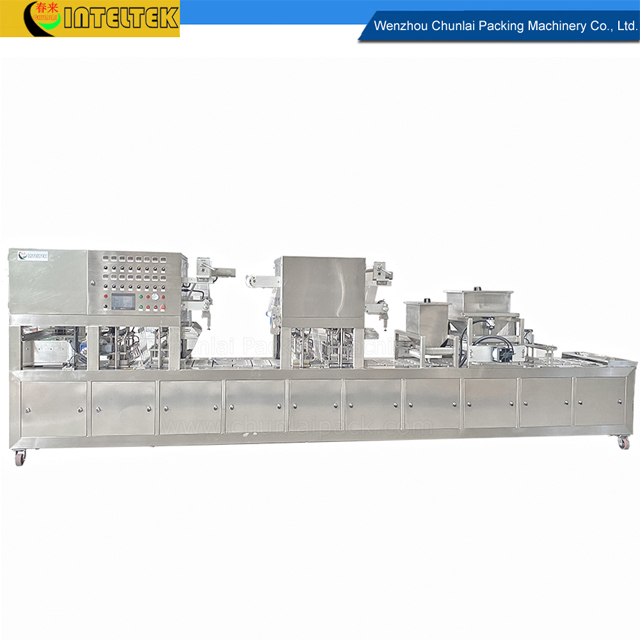
tray feeder for a tray denester is a supporting device used to automatically supply stacks of empty trays to the denester, ensuring a continuous and stable feed for high-speed packaging lines such as tray sealing, filling, or MAP vacuum packaging systems. The tray feeder stores multiple stacks of trays in a magazine or hopper and gradually feeds them into the tray denester, which then separates each tray one by one and places them onto the conveyor or packaging machine.
In a typical setup, operators load stacks of trays (plastic, aluminum, paperboard, or CPET trays) into the feeder magazine. The feeder then uses belt drives, pushers, or elevator mechanisms to advance the stack toward the denester pickup position. Sensors monitor tray levels and automatically trigger feeding to keep the denester supplied without interruption. This prevents production stops caused by empty tray magazines and reduces the need for constant manual tray loading.
Key features of a tray feeder for a tray denester usually include adjustable guides for different tray sizes, automatic level detection, synchronized control with the denester PLC, stainless steel construction for food environments, and smooth handling to avoid tray deformation or jamming. It is commonly used in ready meal tray lines, meat and poultry tray packing, fruit and vegetable packaging, bakery trays, and dessert cup or bowl tray systems where consistent tray feeding is essential for efficient automation.